
Quick answer: halve your circumference, read the nominal width
The right condom size is determined by erect penis circumference at the thickest point — not by length. From the circumference you get the nominal width of the condom, which is printed in millimetres on every box. Rule of thumb: circumference in mm divided by two = nominal width. A circumference of 11 to 11.5 cm matches the standard size (52–53 mm), 12 cm sits in the L range, anything from 13 cm enters XL and XXL territory. Too small can tear or pinch, too large slips and can come off.
Why length is irrelevant and nominal width is everything
Almost every condom box lists the nominal width in millimetres. It's the width of the condom laid flat and correlates directly with penis circumference. Length, on the other hand, is essentially irrelevant for fit: standard condoms are long enough, and if a small stretch of the base remains uncovered it doesn't reduce safety. Always pick by circumference, not by length or guesswork. Latex stretches, so the flat condom should be slightly narrower than half the circumference — that's how it sits snug but doesn't pinch.
Condom size chart: circumference → nominal width → size class
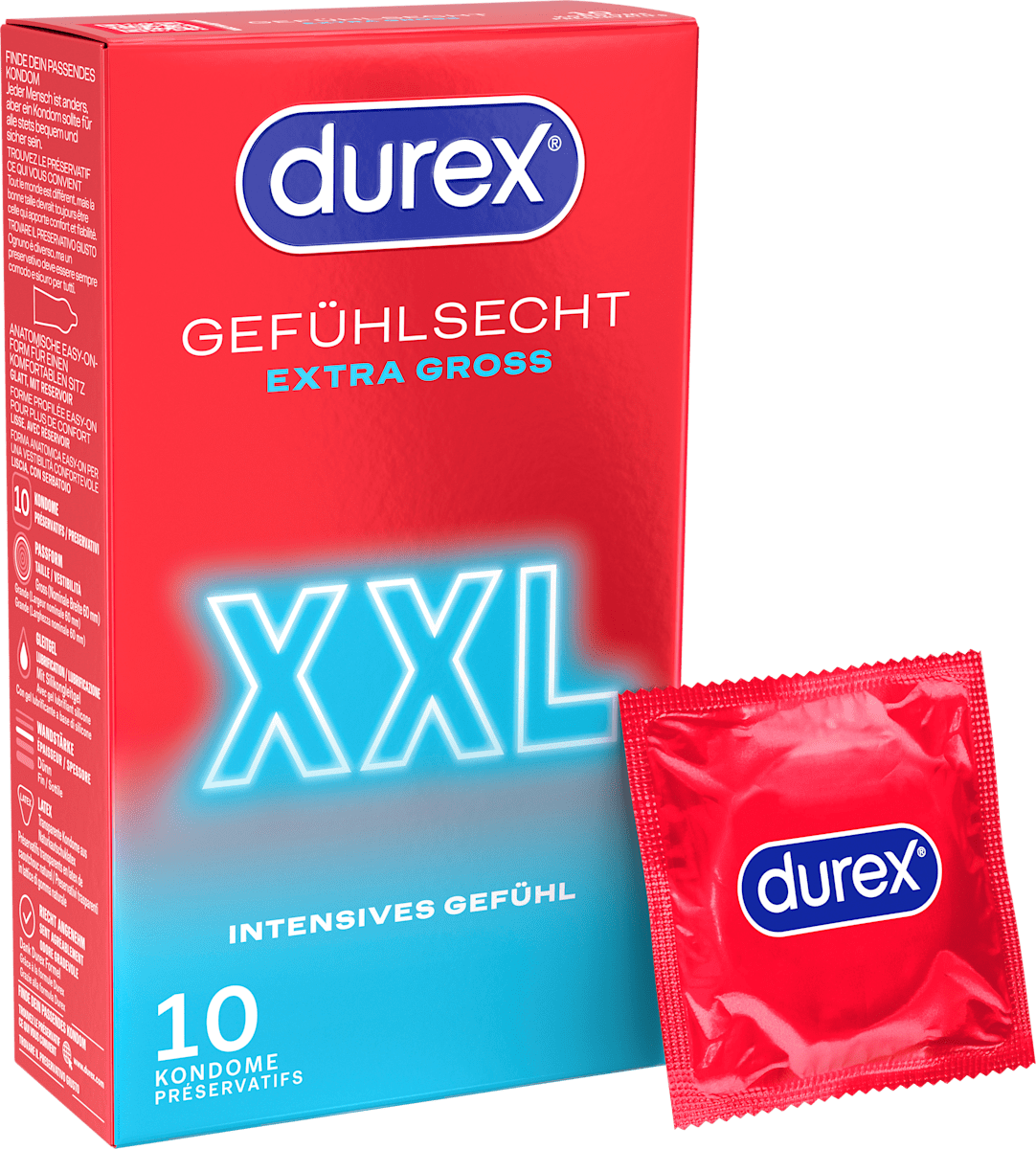
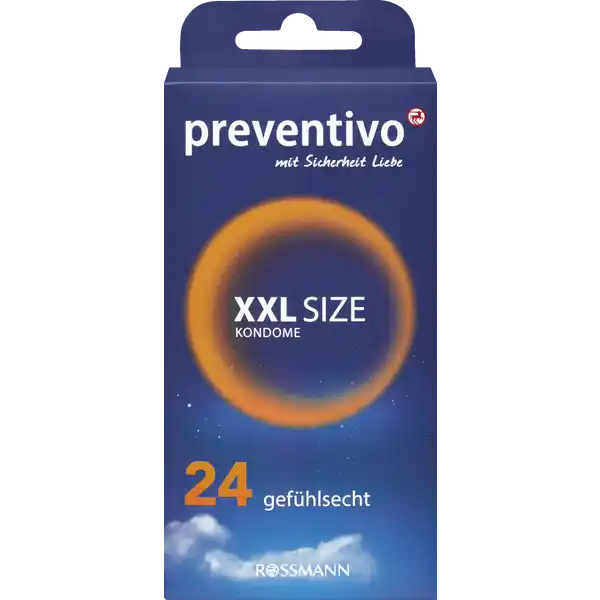
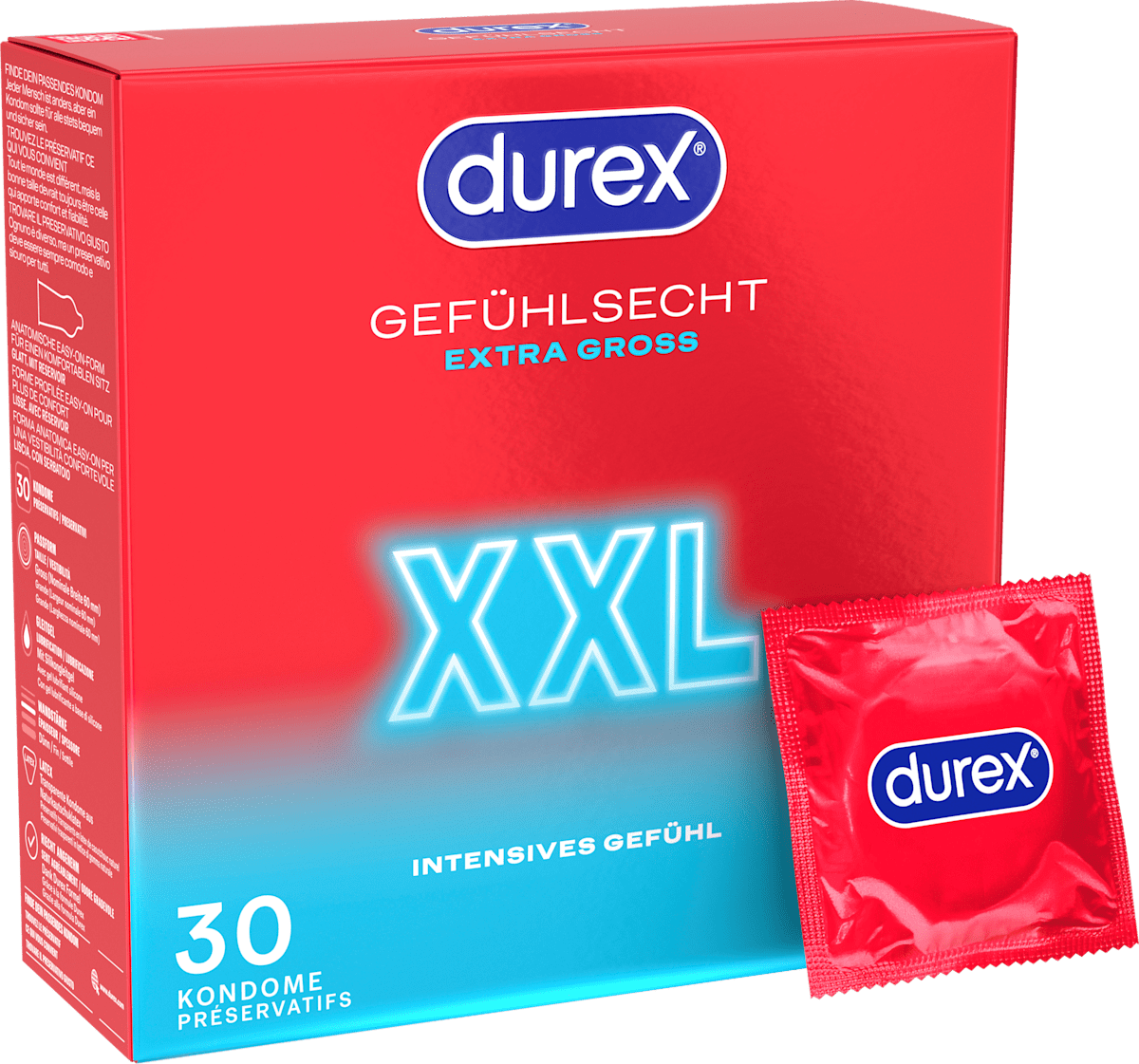
Translate your measured circumference into a condom size with this table: • Below 10 cm circumference → 47 mm nominal width → XS (extra snug) • 10 to 11 cm → 49 mm → S (snug) • 11 to 11.5 cm → 52 to 53 mm → M (standard) • 11.5 to 12 cm → 54 to 56 mm → L (wider) • 12 to 13 cm → 57 to 58 mm → XL (extra wide) • Above 13 cm → 60 to 64+ mm → XXL (Maxi / King Size) The XS/S/M/L/XL/XXL labels are not a standard — they vary slightly across brands. What matters is the concrete millimetre value on the box. If you sit between two sizes, try both: the tighter version usually holds better against slipping, the looser one is easier to unroll.
Circumference → nominal width → size class
| Circumference | Nominal width | Size class |
|---|---|---|
| below 10 cm | 47 mm | XS (extra snug) |
| 10 to 11 cm | 49 mm | S (snug) |
| 11 to 11.5 cm | 52 to 53 mm | M (standard) |
| 11.5 to 12 cm | 54 to 56 mm | L (wider) |
| 12 to 13 cm | 57 to 58 mm | XL (extra wide) |
| above 13 cm | 60 to 64+ mm | XXL (Maxi / King Size) |
How to measure your penis circumference correctly
The chart only works with an accurate measurement: State: measure when fully erect. Half-erection skews the result. Location: wrap the measuring tape around the middle of the shaft, at the thickest point. For most people this is in the middle third. Tool: a flexible tailor's tape is ideal. Alternatively, wrap a string or paper strip around the penis, mark the spot, and measure with a ruler. Measure several times: small differences in tape positioning easily change the result by 5 mm. Repeat 2 to 3 times and take the average. Note the value down — it barely changes in adulthood.
What happens with the wrong condom size?
Wrong sizes are one of the main reasons condoms fail: Too large: the condom wrinkles when unrolled, rubs uncomfortably and the chance of slipping during sex rises sharply. Worst case it stays inside the partner. Too small: hard to unroll, restricts blood flow (which can cost the erection), causes pressure pain and tears more easily because of high material tension. Lube dries out faster too, due to higher friction. Both lower the real-world Pearl Index noticeably. If you sit between two sizes and tend toward the larger, try the smaller first — it usually holds better.
What do labels like ‘Comfort' or ‘Close Fit' mean?
Brand size labels are mostly marketing terms without a hard norm: • ‘Close Fit', ‘Snug', ‘Tight': usually 47 to 49 mm – S or XS. • ‘Standard', ‘Classic', ‘Natural': usually 52 to 54 mm – M. • ‘Comfort', ‘Easy Fit': usually 54 to 56 mm – L. • ‘XL', ‘King Size', ‘XXL': 57 mm and above. What counts isn't the front-of-pack label, but the nominal width in mm — usually small print on the back or side. Find that number and compare it with your measurement. That way you avoid buying the wrong size based on confusing marketing labels.
Bottom line: measure once, buy correctly forever
A condom size chart removes the guesswork that starts with ‘just grab the standard size'. Once you've measured your circumference cleanly and matched it to a nominal width, you can confidently pick condoms regardless of whether the box says S, M, L or marketing terms like ‘Comfort'. The result: less risk of tearing or slipping, more comfort when putting on, better feel during sex. If you're still unsure, use our interactive size calculator — it converts circumference into a concrete recommendation plus matching products from our database.