Quick answer: Don't carry condoms loose in your wallet
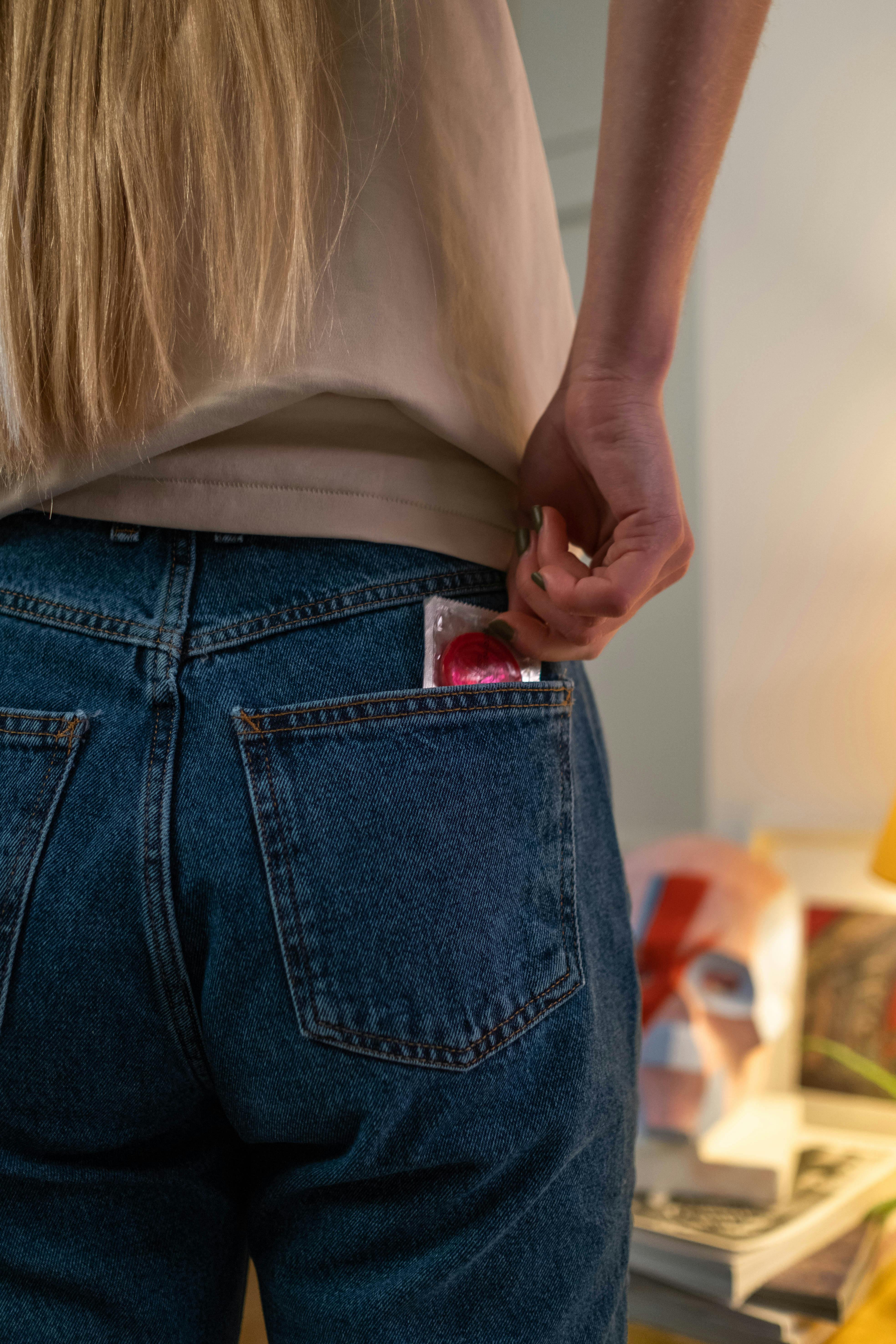
No, a condom should not be carried loose in a wallet. Continuous mechanical pressure, friction every time the wallet is opened and closed, and body heat can weaken the latex without you noticing. The result are microtears that aren't visible to the eye but can cause the condom to break during use. That eliminates its protection against pregnancy and sexually transmitted infections (STIs). Safer alternatives are a dedicated rigid condom case or storing condoms in their original packaging in a cool, dry place at home.
The three main risks: friction, pressure and heat
Three factors work against the material in a wallet around the clock: Friction: Wallets are opened and closed dozens of times a day. A loose condom rubs against coins, banknotes and the sharp edges of credit cards. That micro-abrasion transfers to the thin latex inside — invisibly. Pressure: A wallet in a back pocket means the wearer's full body weight presses on the condom every time they sit down. The hard edges of plastic cards can even perforate the foil pouch. Once the seal is broken, the pre-applied lubricant dries out and germs can enter. Heat: Body heat keeps trouser pockets at 30 °C or more for hours. Latex ages faster under heat, loses elasticity and becomes brittle. The lubricant coating can change consistency, too. Manufacturers recommend storage between 15 °C and 25 °C — wallets regularly exceed that range.
How long is too long in a wallet?
There is no official ‘safe duration'. Any number would oversimplify. As a rule of thumb: a few hours of carrying is less risky than weeks or months of forgotten storage. Even a few days of constant heat, friction and pressure can measurably weaken the material. If you want condoms with you regularly, don't rely on ‘quick wallet storage' — use a proper carrying solution. Sexual-health professionals routinely recommend grabbing a fresh condom from the box at home rather than using one that has spent weeks on your body.
Storage locations compared
Not every ‘emergency spot' is equally bad. Quick overview: Very unsafe — wallet / billfold: constant pressure, friction from coins and cards, body heat. Both latex and packaging can fail unnoticed. Unsafe — glove compartment in the car: summer temperatures often exceed 50 °C, winter brings frost. Both accelerate ageing. Conditional — handbag (inner pocket): only safe in a separate padded compartment, away from loose keys, pens or sharp objects. Very safe — dedicated condom case: a rigid metal or plastic shell protects against pressure, kinks and abrasion. Ideal for travel. Very safe — bedside drawer at home: constant room temperature, dark, dry. The gold standard.
Safer alternatives for on the go
If you want condoms reliably available away from home, two good options: Condom case: small rigid shells made of metal, aluminium or hard plastic — usually no more expensive than a pack of condoms. They protect the foil from pressure and kinks and fit any inner pocket. Padded inner compartment of a bag or backpack: a zipped pocket without sharp objects is acceptable for a single condom. Important: don't carry it directly on your body, so heat doesn't constantly act on the material. Either way: don't keep condoms ‘on the go' longer than necessary. Refresh the case content periodically and check the expiry date before restocking.
How to spot a condom damaged by bad storage
Some damage is invisible — but there are clear warning signs. Discard the condom immediately if: • The foil can be pressed flat without the usual slight ‘air-cushion' resistance — the protective air pocket is gone. • The foil shows visible creases, tears, discolouration or dents. • The condom feels extremely sticky, dry or stiff when unwrapped. • The material sticks to itself or cracks when unrolling. • It smells strongly chemical, sour or unusual. When in doubt: use a fresh condom from an unopened pack. The cost of one condom is nothing compared to the risk of an unintended pregnancy or infection.
Bottom line: safety starts with storage
A wallet feels convenient but is one of the worst places to keep condoms. Friction, pressure and body heat weaken the material slowly and invisibly. If you want condoms available on the go, invest in a small rigid case or use a padded inner pocket of a bag — not your trouser pocket. At home: cool, dry, dark, in the original packaging. That way condoms stay reliable for their full stated shelf life and protect you when it matters.