Why This Topic Matters
Condom failures are stressful, but they usually have identifiable causes. Understanding those causes means you can prevent most problems before they happen.
Check the Expiry Date
Condoms are hygiene products with an expiry date. Latex and other materials can become brittle or porous over time. Expired condoms should not be used, even if the packaging looks undamaged.
Inspect the Packaging
Before use, the foil wrapper should be intact. If the typical air cushion is missing, or the wrapper is creased, torn or otherwise damaged, use a different condom. Keeping condoms in a wallet long-term increases the risk of damage.
What to Watch for in Practice
The key factors are size, expiry, storage, careful opening and compatible lubricant. The order of steps also matters: put the condom on early enough, keep the reservoir free, check the fit during use, and hold the base when withdrawing after sex.
Avoid Heat, Sunlight and Moisture
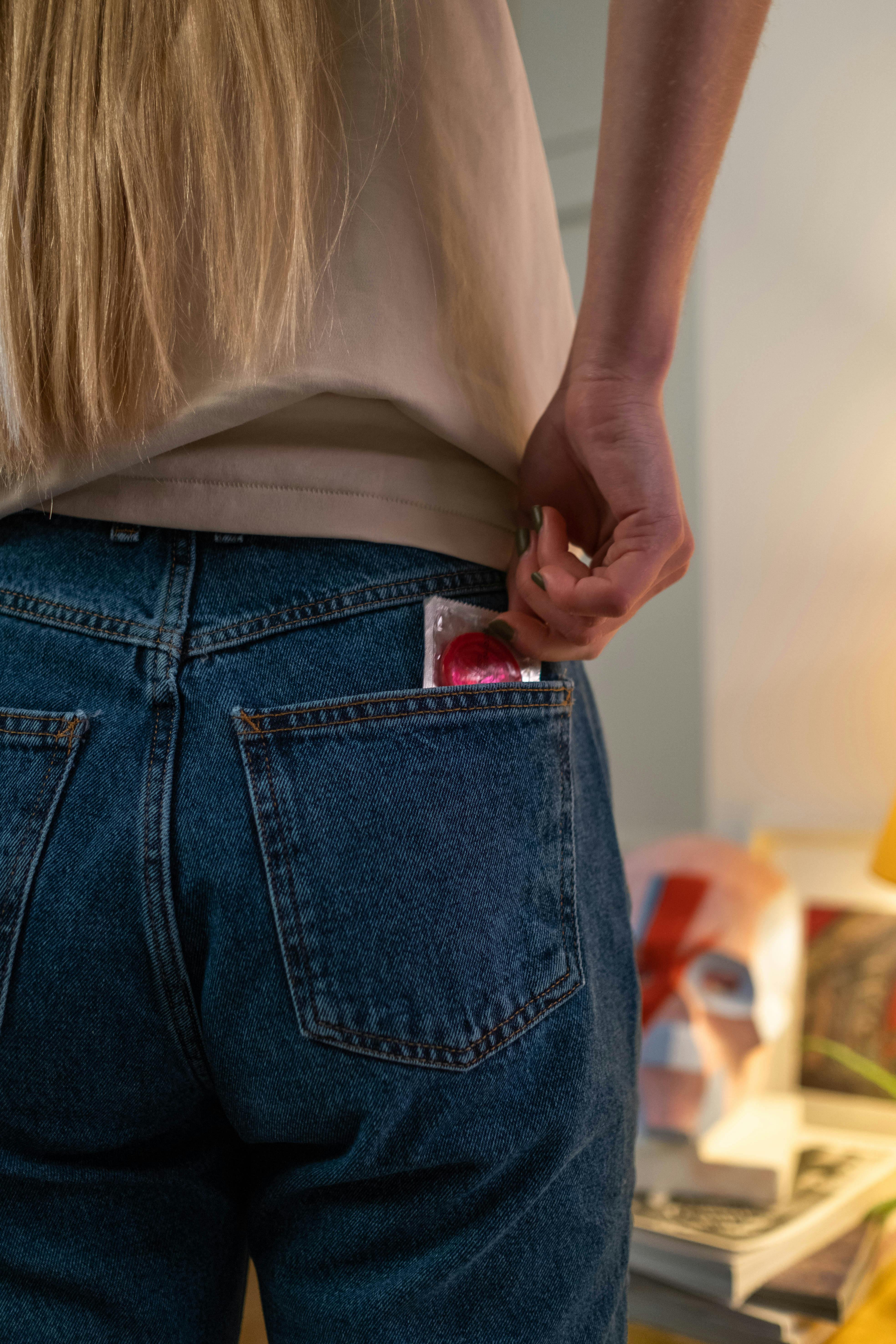
Condoms should be stored in a cool, dry place away from light. Cars, bathrooms, trouser pockets or direct sunlight are not suitable for long-term storage. A drawer or a protective case is usually a better option.
Watch Out for Fingernails, Piercings and Rough Opening
Long fingernails, teeth, scissors or sharp-edged piercings can damage a condom. Always open the wrapper carefully at the designated notch. Take care when unrolling as well.
Choose the Right Lubricant
Not every lubricant is compatible with every condom. Oil-based and fatty products can degrade latex, making it porous. Water-based or silicone-based lubricants are generally suitable for latex condoms, as long as the packaging confirms condom compatibility.
If a Condom Breaks
If a failure occurs, stop immediately. Depending on the situation, emergency contraception, medical advice and STI testing may all be appropriate. A pregnancy test is only reliable once the expected period is due, or a few days after it fails to arrive.
Conclusion: The Key Points Summarised
The good news is that most condom failures have specific, preventable causes. An expired product, damaged packaging, incorrect application, the wrong lubricant, too long in a wallet — all of these can be eliminated with a few simple habits. Anyone who regularly checks the expiry date, carries condoms in a protective case, avoids scissors or teeth when opening the wrapper, keeps the reservoir clear and uses a condom-compatible lubricant has already addressed the most common risk factors. If a failure does happen, stay calm: pharmacies, sexual health clinics and medical practices can provide quick, non-judgmental guidance on next steps.