
Quick answer: latex-free is just as safe — and better for some
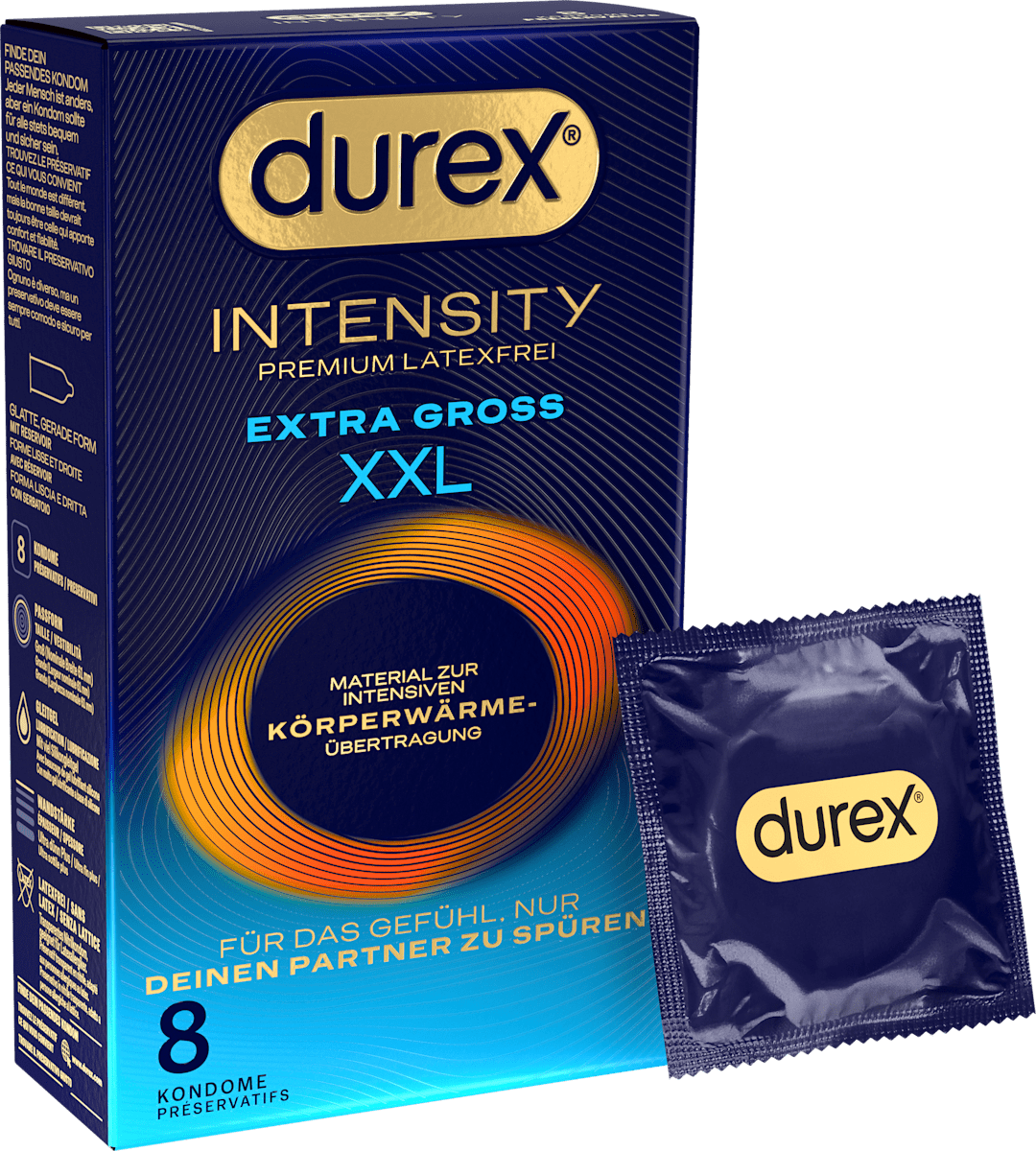
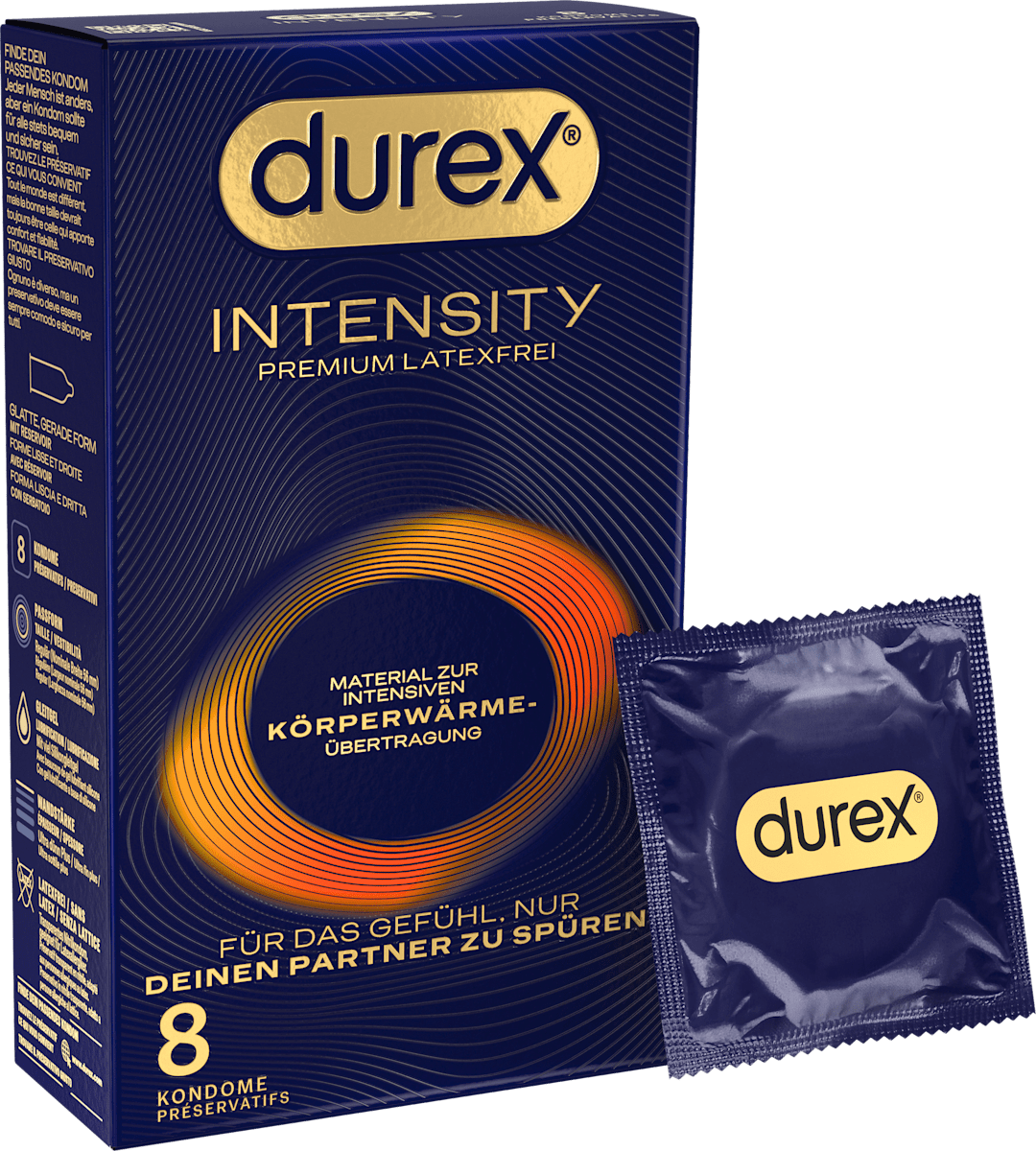
Latex-free condoms are the safest alternative for people with a latex allergy and often deliver a more intense skin feel. They are typically made from synthetic materials such as polyisoprene (very soft and stretchy) or polyurethane (extremely thin, heat-conductive and compatible with oil-based lubricants). With a valid CE mark and correct use they protect against pregnancy and STIs just as well as classic latex condoms. They are also odour- and taste-neutral, which makes them particularly attractive if the typical rubber smell is off-putting.
Three reasons to choose latex-free condoms
Natural rubber latex is still the market standard, but more and more people deliberately look for latex-free alternatives. Three main reasons: 1. Latex allergy: about 2 percent of the population — and a much higher share among healthcare workers — has a real natural rubber latex allergy. Symptoms range from itching and redness in the intimate area to breathing difficulties. Here latex-free is not an option but a medical necessity. 2. Sensitivity to smell: natural rubber has a characteristic odour that many find unpleasant during sex, especially oral sex. Latex-free materials are largely odour- and taste-neutral. 3. More intense skin feel: many users report that synthetic materials transfer body heat better, resulting in a more natural, skin-close sensation during sex — a strong argument even without an allergy.
Which materials do latex-free condoms use?
Buyers encounter several synthetic options, each with specific properties. Three materials dominate the market: Polyisoprene (PI): the most common material in premium latex-free condoms — best known from the Skyn brand (Manix/LifeStyles). Chemically a synthetic variant of latex, but without the allergy-triggering proteins. Very stretchy, tear-resistant and soft to the touch. Important: like classic latex, polyisoprene cannot handle oil-based lubricants. Polyurethane (PU): wafer-thin and an excellent heat conductor – producing a ‘skin-on-skin' feel. Key advantage: polyurethane is insensitive to oils and fats. These condoms can be combined safely with massage oils or petroleum jelly. Downside: slightly less stretchy, so the exact fit is even more important. Nitrile rubber and Sensoprene: these materials are used mainly in female condoms (Femidoms), but also in some specialty latex-free condoms for men. Extremely tear-resistant and robust, and also compatible with all lubricant types.
Comparison: latex vs. polyisoprene vs. polyurethane
Three materials, three different profiles — here's the overview for your decision: Allergy risk: • Natural rubber latex: present (real latex allergy possible) • Polyisoprene: hypoallergenic • Polyurethane: hypoallergenic Stretch: • Natural rubber latex: very high • Polyisoprene: very high • Polyurethane: lower (exact size especially important) Smell: • Natural rubber latex: light to strong characteristic smell • Polyisoprene: odour-neutral • Polyurethane: odour-neutral Lubricant compatibility: • Natural rubber latex: water- or silicone-based only • Polyisoprene: water- or silicone-based only • Polyurethane: all types (oil-based and massage oils included) Heat conductivity: • Natural rubber latex: medium • Polyisoprene: high • Polyurethane: very high (natural feel) Takeaway: polyisoprene is the best all-round latex alternative — similar feel, no allergy, no smell. Polyurethane is the specialist choice when oil-based lubricants or massage oils are in play.
Material comparison at a glance
| Property | Latex | Polyisoprene | Polyurethane |
|---|---|---|---|
| Allergy risk | present | hypoallergenic | hypoallergenic |
| Stretch | very high | very high | lower |
| Smell | natural smell | neutral | neutral |
| Water-based lube | safe | safe | safe |
| Silicone lube | safe | safe | safe |
| Oil-based lube | destroys | destroys | safe |
| Heat conductivity | medium | high | very high |
Are latex-free condoms equally safe?
Yes — when they carry a CE mark. Latex-free condoms meet the same strict medical-device requirements as latex condoms. The relevant standard is no longer only ISO 4074 (for natural rubber) but, for synthetics, DIN EN ISO 23409. This norm defines test methods for tear resistance, leakage, storage stability and material properties. The theoretical Pearl Index with ideal use is — like classic latex — around 2. Polyurethane needs a bit more care during unrolling because the material is slightly stiffer; don't force it, and make sure the size is right beforehand.
Lubricant and correct use
Lubricant compatibility is especially important. The rule: • Latex and polyisoprene: water- or silicone-based lubricants only. Oils, fats, petroleum jelly or body lotion can destroy the material within seconds. • Polyurethane: all lubricants are permitted, including oil-based products. • Nitrile (e.g. female condoms): also compatible with all lubricant types. If you add extra lubricant, choose products explicitly labelled as condom-safe and stop immediately if irritation occurs. The manufacturer's instructions always take precedence.
Who should switch to latex-free?
Clear recommendation for anyone with a confirmed latex allergy, suspected latex sensitivity or recurring irritation after using standard condoms. Couples who find the smell or feel of latex unpleasant also benefit. For severe symptoms or unclear reactions, seek medical advice — not every irritation comes from latex itself, sometimes it's lubricant ingredients or spermicides. If you simply want the most natural skin feel, try polyurethane. If you want maximum stretch and safety margin, polyisoprene is often the better fit.
Bottom line: a full alternative — not automatically better
Latex-free condoms are more than a niche product for allergy sufferers. Polyisoprene, polyurethane and nitrile offer a different skin feel, conduct heat more directly and don't smell of rubber. With proper use they protect just as reliably as their classic counterparts. The switch doesn't automatically solve every problem. Same rules apply: size first, then lubricant compatibility, then read the manufacturer's instructions. If you experience repeated irritation with latex, get it checked medically rather than just switching material. Follow the basics and latex-free condoms are a fully valid alternative that protects every bit as well.